
The Definitive Guide to API Management: 7 Must-Know Features
Advertisement
Application Programming Interfaces have become essential elements for connecting systems, facilitating seamless data sharing, and encouraging creativity in the constantly changing technological and digital transformation landscape. To realize their full potential and promote economic success, businesses must manage and govern APIs properly.
The article discusses the structural makeup of API management platforms, their main advantages, and how they assist in resolving typical problems.
 API management[/caption]
Organizations can gain from API management solutions in a variety of ways. Here are a few examples of regular uses of these solutions:
API management[/caption]
Organizations can gain from API management solutions in a variety of ways. Here are a few examples of regular uses of these solutions:
 APIs are everywhere.
For instance: Assume you're planning to book a flight and look for airfares online. The website functions by utilizing APIs offered by several airlines and aggregating the data, rather than being affiliated with a single airline. Likewise, there are several benefits to employing an enterprise-grade API management system.
Modern distributed applications must be scalable in order to be reliable. Depending on consumption trends, you may be able to scale your API infrastructure quickly with these solutions.
When exposing APIs to internal and external users, organizations also need to think about security and governance. You may secure your APIs and the associated subsystems with an API management solution that offers granular user authentication and authorization. Additionally, you can incorporate governance and policies into the released APIs. This enables businesses to keep tabs on what is deployed and where, who is calling what, and the level of security for each API.
Life cycle managers, which are included in API management solutions, enable you to keep track of various API versions. Users are always sent to the most recent version of the API whenever the code gets modified. Users will, however, be smoothly transitioned back to the previous version if a rollback is required.
Your API-based ecosystem is protected from single points of failure via high availability. Systems for managing APIs offer a reliable infrastructure. By raising or lowering the threshold in accordance with client-calling trends, it also aids in managing the throttle for each API endpoint.
APIs are everywhere.
For instance: Assume you're planning to book a flight and look for airfares online. The website functions by utilizing APIs offered by several airlines and aggregating the data, rather than being affiliated with a single airline. Likewise, there are several benefits to employing an enterprise-grade API management system.
Modern distributed applications must be scalable in order to be reliable. Depending on consumption trends, you may be able to scale your API infrastructure quickly with these solutions.
When exposing APIs to internal and external users, organizations also need to think about security and governance. You may secure your APIs and the associated subsystems with an API management solution that offers granular user authentication and authorization. Additionally, you can incorporate governance and policies into the released APIs. This enables businesses to keep tabs on what is deployed and where, who is calling what, and the level of security for each API.
Life cycle managers, which are included in API management solutions, enable you to keep track of various API versions. Users are always sent to the most recent version of the API whenever the code gets modified. Users will, however, be smoothly transitioned back to the previous version if a rollback is required.
Your API-based ecosystem is protected from single points of failure via high availability. Systems for managing APIs offer a reliable infrastructure. By raising or lowering the threshold in accordance with client-calling trends, it also aids in managing the throttle for each API endpoint.
What is API Management?
The process of developing and publishing APIs, enforcing policies and governance, establishing access control in place, and gathering API metrics for monitoring is known as API management. All facets of the API lifetime include:- Building
- Monitoring
- Publishing
- Reviewing use
- Securing access
What are the use cases of API management?
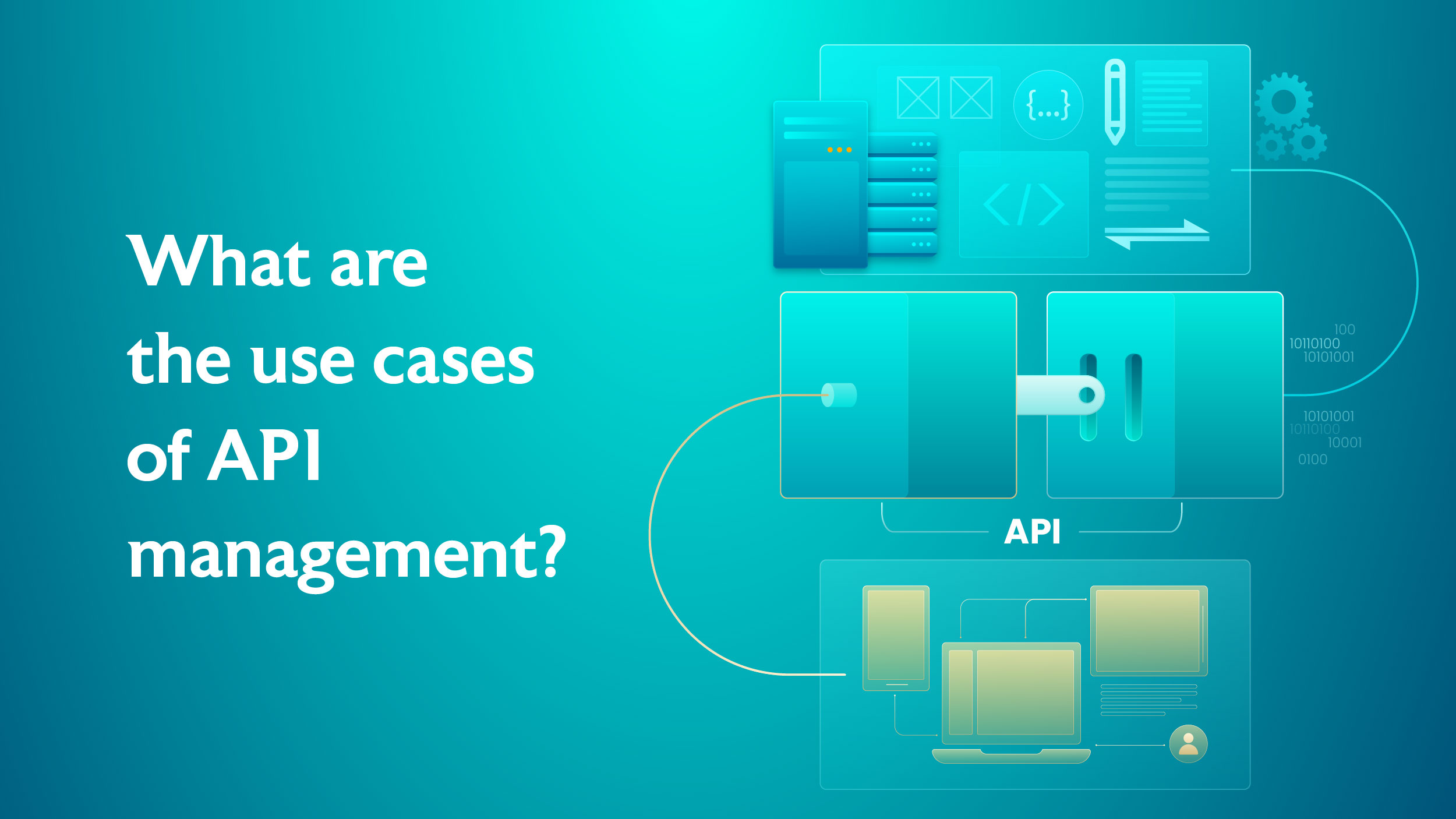
[caption id="attachment_43071" align="aligncenter" width="2500"] API management[/caption]
Organizations can gain from API management solutions in a variety of ways. Here are a few examples of regular uses of these solutions:
● Supporting initiatives for digital transformation
In order for businesses to integrate their digital assets in an efficient way, managing APIs has become a crucial component of their digital transformation strategy. Businesses must adopt new tools and services that support the evolution of their digital ecosystem as they increase their daily operations. However, without the appropriate automation, these tools and services can easily become heavy and challenging to manage over time. By integrating API management technologies, businesses can speed up their operations and easily test, deploy, manage, and monitor their API connections from a single, centralized platform.● GDPR considerations and compliance
When accessing and transporting enormous amounts of data, API gateways are the ideal solution to satisfy GDPR's criteria for data protection and compliance. As data is transferred through an API, gateways are created to safeguard user information and access points. Additionally, administrators are able to maintain fine-grained access control over all of their API integration while adhering to tight compliance standards via security tokens and access keys.● Ensuring data security
The industry standard for protecting API interactions in an enterprise setting has evolved into API management solutions. Enterprises can utilize a managed solution to encrypt all of their data and impose signature requirements to guarantee that only authorized people have access to it. In addition to detecting data leaks and giving the intelligence required to strengthen API security, companies are also able to identify vulnerabilities in OS, drivers, networks, and API components by monitoring the activity of API in real time.Why is API Management Important?
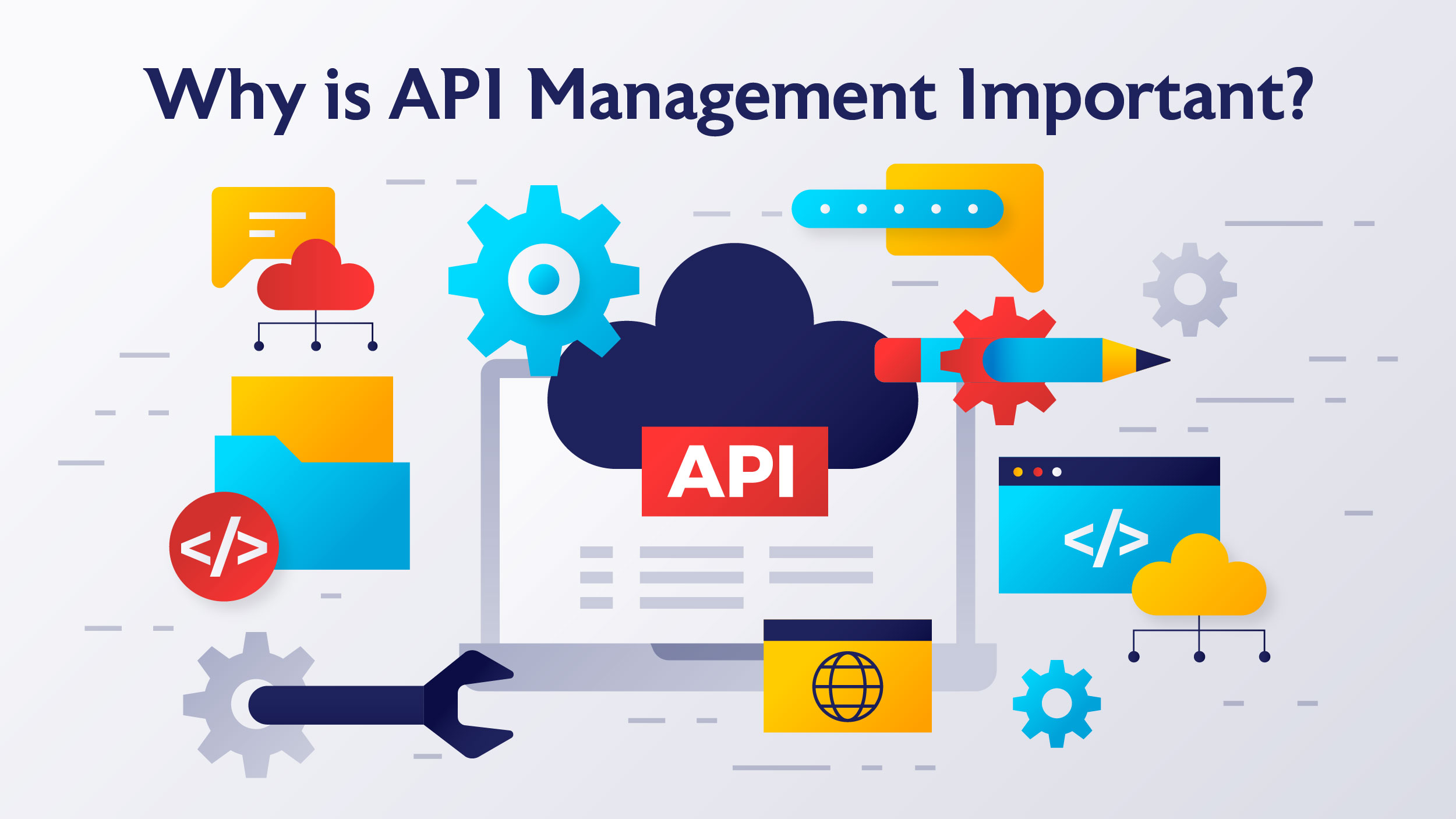
APIs are everywhere.
For instance: Assume you're planning to book a flight and look for airfares online. The website functions by utilizing APIs offered by several airlines and aggregating the data, rather than being affiliated with a single airline. Likewise, there are several benefits to employing an enterprise-grade API management system.
Modern distributed applications must be scalable in order to be reliable. Depending on consumption trends, you may be able to scale your API infrastructure quickly with these solutions.
When exposing APIs to internal and external users, organizations also need to think about security and governance. You may secure your APIs and the associated subsystems with an API management solution that offers granular user authentication and authorization. Additionally, you can incorporate governance and policies into the released APIs. This enables businesses to keep tabs on what is deployed and where, who is calling what, and the level of security for each API.
Life cycle managers, which are included in API management solutions, enable you to keep track of various API versions. Users are always sent to the most recent version of the API whenever the code gets modified. Users will, however, be smoothly transitioned back to the previous version if a rollback is required.
Your API-based ecosystem is protected from single points of failure via high availability. Systems for managing APIs offer a reliable infrastructure. By raising or lowering the threshold in accordance with client-calling trends, it also aids in managing the throttle for each API endpoint.
7 Must-Know Features to Consider While Selecting An API Management Platform
When selecting an API administration platform, there are a number of important things to consider. The following are some queries to ask potential vendors.-
Security:
-
Scalability:
-
Cost:
-
Cloud Integration:
-
Flexibility:
-
Built-in Governance:
-
Analytics:
Final Verdict
APIs are pivotal as software shifts from monolith to microservices architecture. Managing APIs is challenging for modern IT entities focused on development and consumption. API management systems address these challenges, enabling a return to core business objectives. Vital for modern apps and customer experiences, the effective management of APIs enhances security, performance, scalability, and time to market, while boosting developer productivity and efficiency. Embracing API management is a strategic imperative for organizations that seek to thrive in the digital age.Advertisement